
<img height="1" width="1" style="display:none" src="https://www.facebook.com/tr?id=1605528039754551&amp;ev=PageView&amp;noscript=1">

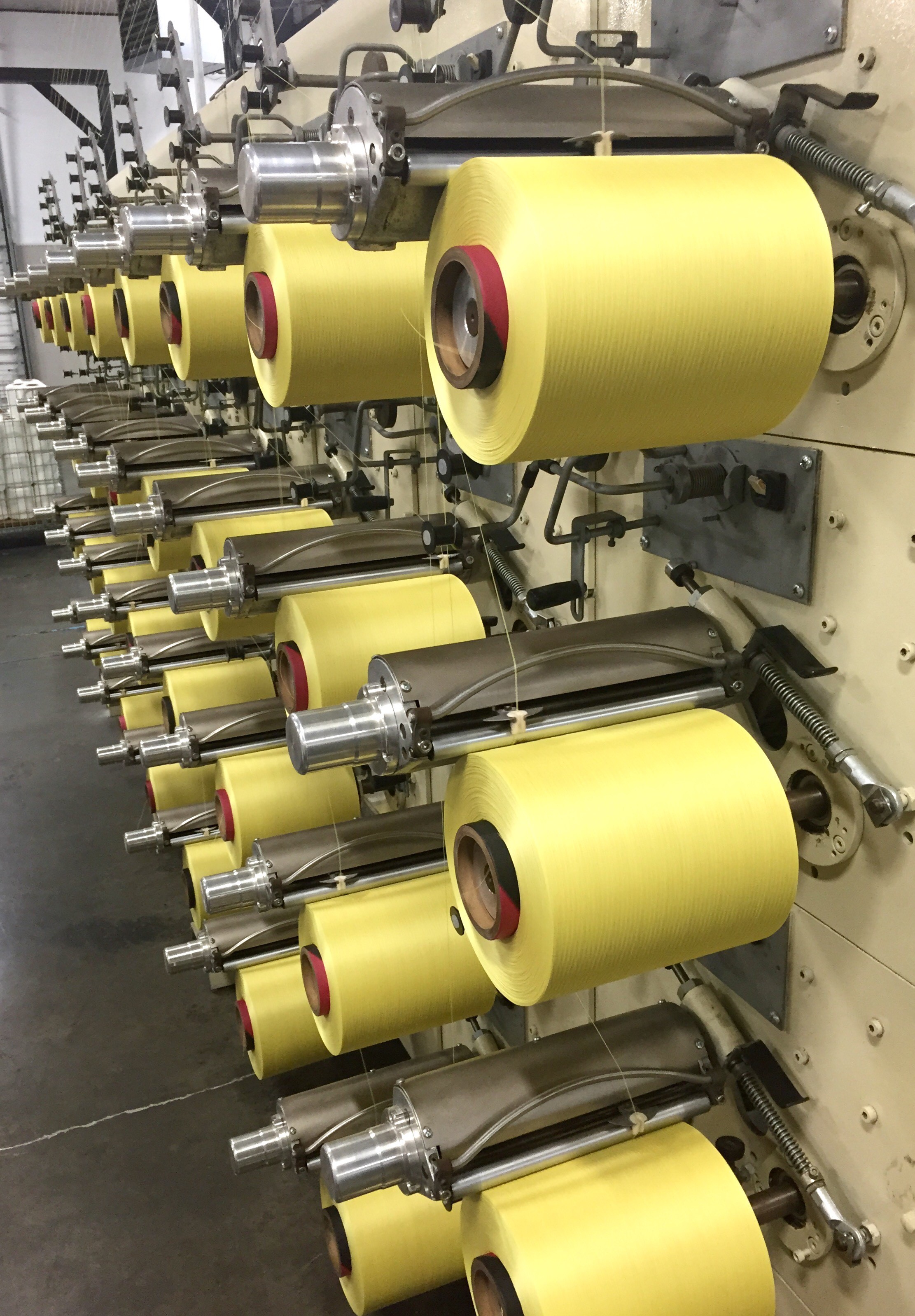
Common Industrial Kevlar® and Aramid Yarn Applications

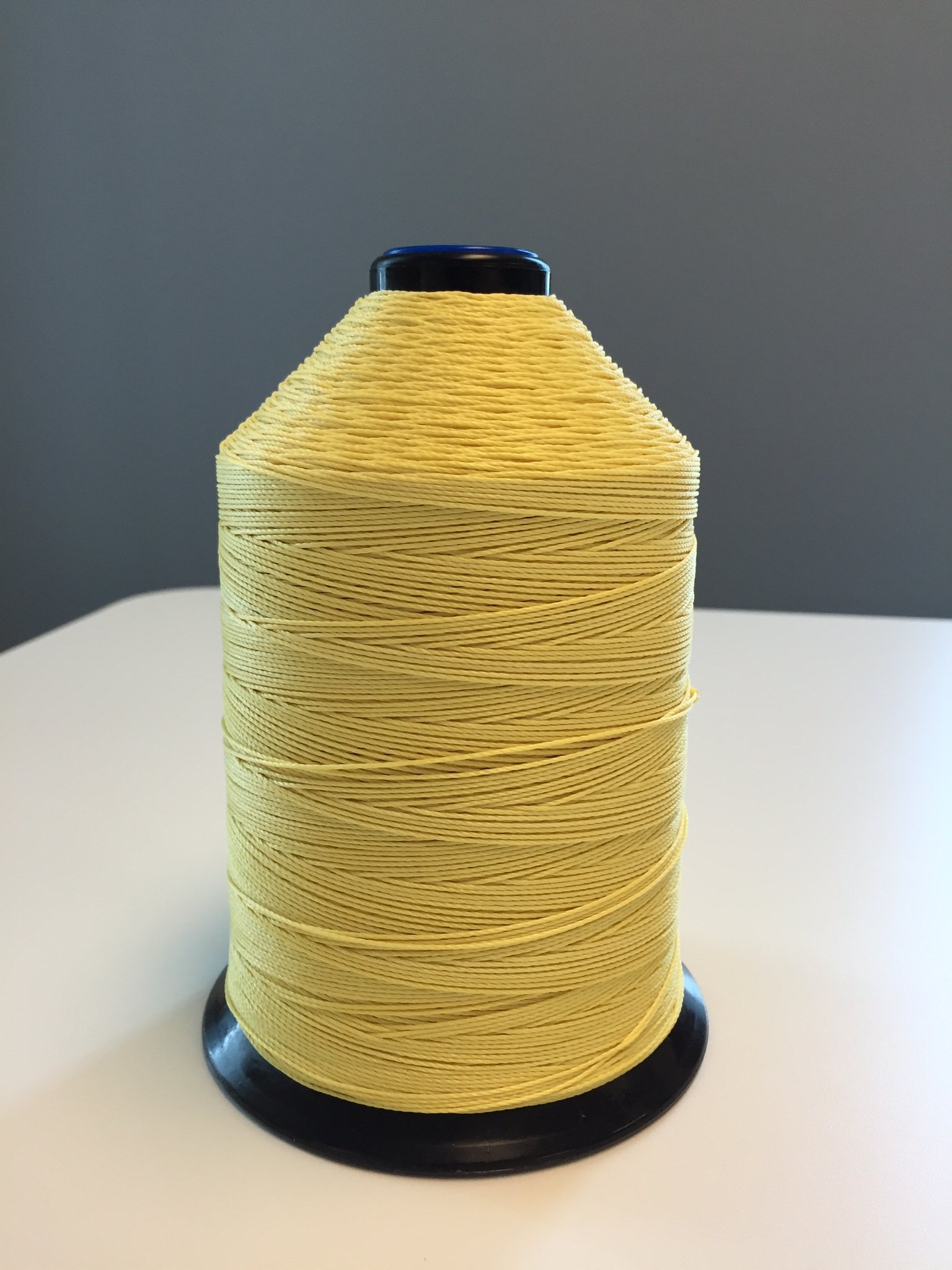
Dupont™ Kevlar®and other aramid yarns and threads are used in many industries including:

  • high temperature fluid hose manufacturing as reinforcement
  • electrical wire and cable for binding, ripcords, strength members and shielding (braided)
  • composite materials- aramid fabric is used for strength and reinforcement
  • ballistics, to sew proctective garmets, body armour and bullet proof vests
  • rope manufacturing for added strength
  • synthetic web-slings for sewing and round sling filler yarn
  • mattress manufacturing for sewing tape edge seams

Most of the products made with Kevlar® and other aramid yarns require high strength and/or fire retardant characteristics. The unique nature and production processes to make aramid fibers are some reasons aramids are much more expensive than other commodity fibers like cotton, polyester and nylon. Common characteristics among Kevlar® and other Aramid fibers include:

Read more
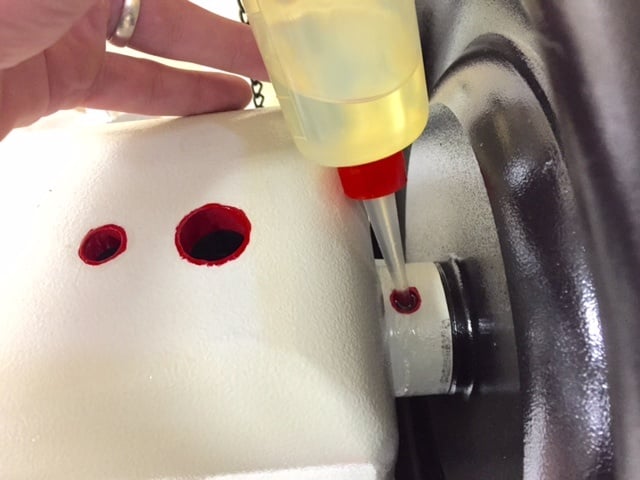
Preventative Maintenance for Singer Class 7 Sewing Machines

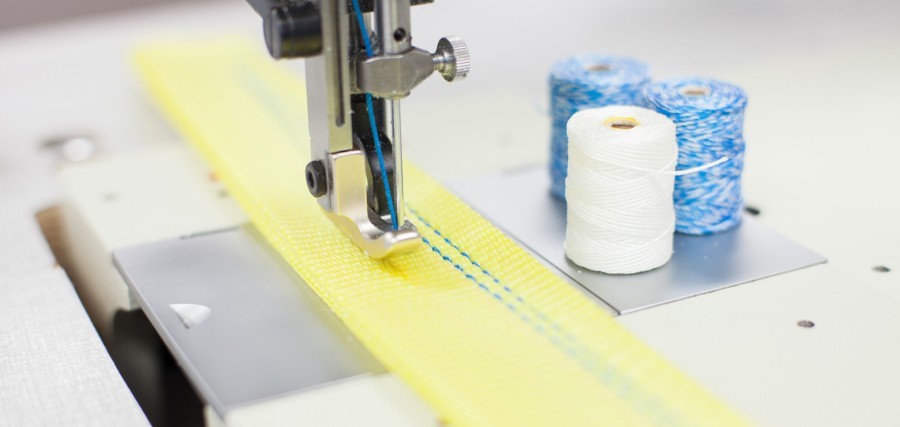
Heavy duty industrial sewing machines like the Service Class 7, Singer 7 Series, and Consew 733 can be used in manufacturing operations for years provided some simple preventative maintenance steps are followed on a daily, weekly, and monthly schedule.  Here's what we recommend:

Read more

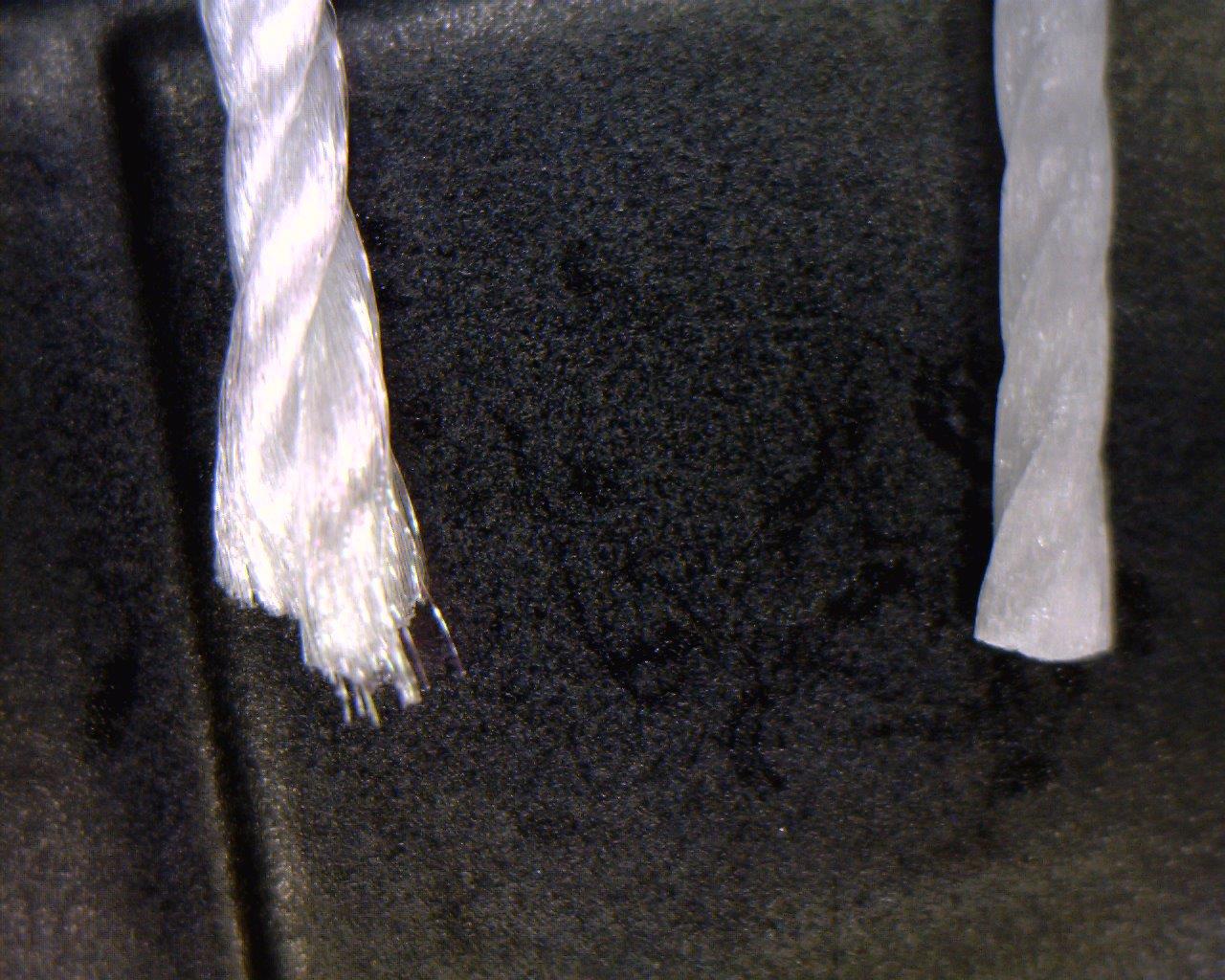
Bonded versus Soft Industrial Sewing Threads

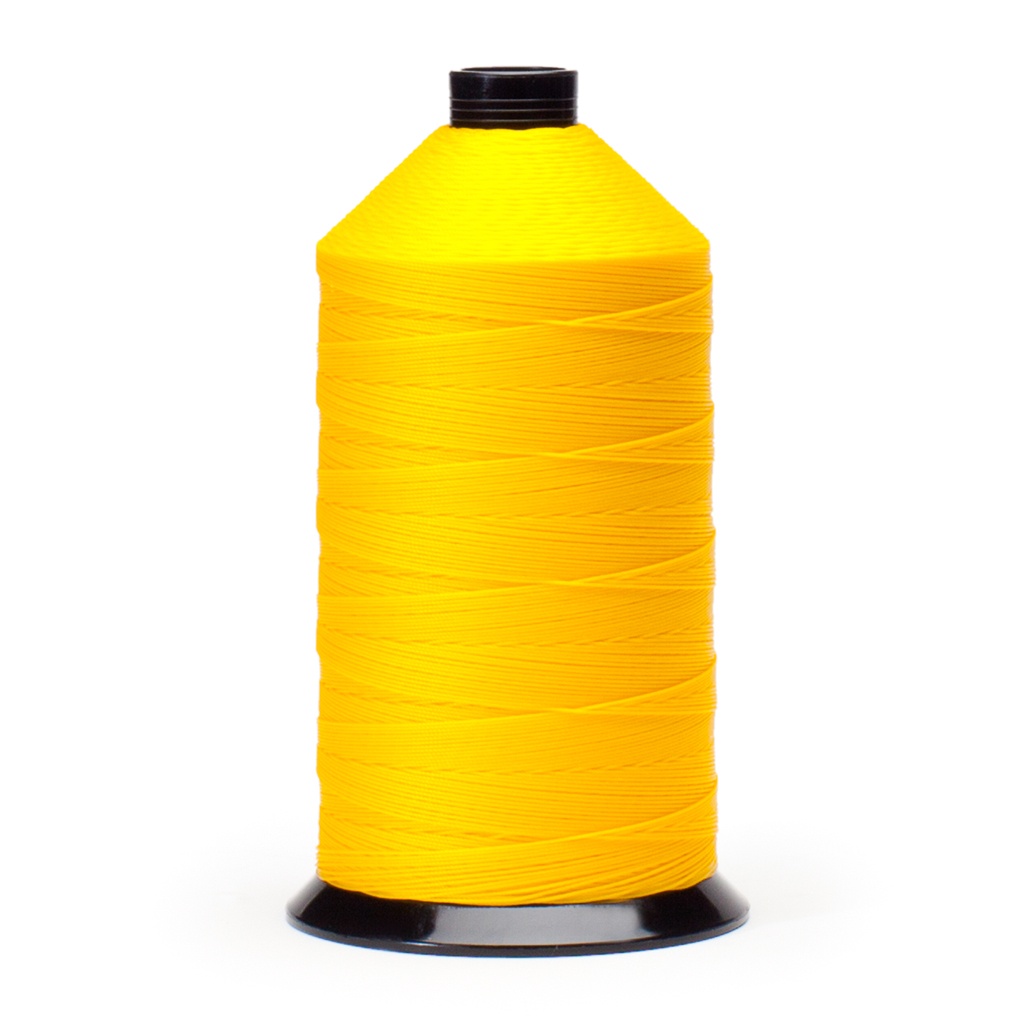
 Multifilament nylons, polyesters and aramid yarns go through a series of twisting and winding steps during the sewing thread manufacturing process.  The twisting process is generally required to convert any yarn into a thread that can be used for sewing, but bonding, an additional process step, may not be needed depending on the size, use and industrial application. 

Read more

Commission Yarn Converting and Tolling-FAQ

When raw material yarn shipments from China are late and you're meeting production demands with overtime charges,you might consider getting some help from a qualified yarn converter.

Read more

Alternatives to Kevlar® Fiber: Industrial Yarn and Threads

Some of the higher priced industrial yarns and threads available are made from Dupont™ Kevlar® fiber. As the pioneer aramid fiber, DuPont™ Kevlar® is specified for some product applications with a long qualification process, however, some industrial applications can benefit by looking at alternative aramid yarns and threads.

Read more

A-A-55220 - The Mil-Spec for Kevlar®  Sewing Thread

Para-aramid yarns and sewing threads like Kevlar®, Twaron, Technora, and Heracron are widely used in aerospace, industrial and military applications where high strength, high flame and melt resistance, and low creep and elongation are desired.  

With obvious uses in military applications, the U.S. Department of Defense developed a set of standards in 1978, MIL-T-87128, to describe the physical and operational characteristics for para-aramid, intermediate modulus thread used for machine and hand sewing.

Read more

Five Reasons Polyester Yarn Costs Will Increase in 2015

In spite of the reduction in petrochemical feed stocks like PTA and MEG, delivered costs for polyester used by US manufacturers will likely increase during the coming year.  While the market production capacity for polyester fiber exceeds worldwide demand, there are several factors that are keeping prices from dropping for US firms:

Read more

How to Improve Sewing for Singer 7 & Consew Heavy Duty Sewing Machines

Singer Class 7 and other Class 7 sewing machines will run reliably for years if setup properly, oiled daily, and serviced regularly.  These lock stitch machines were originally designed in the early 1900’s to use a bottom thread wound onto a flanged metal bobbin.  This under bobbin thread, if not properly wound, will:

Read more

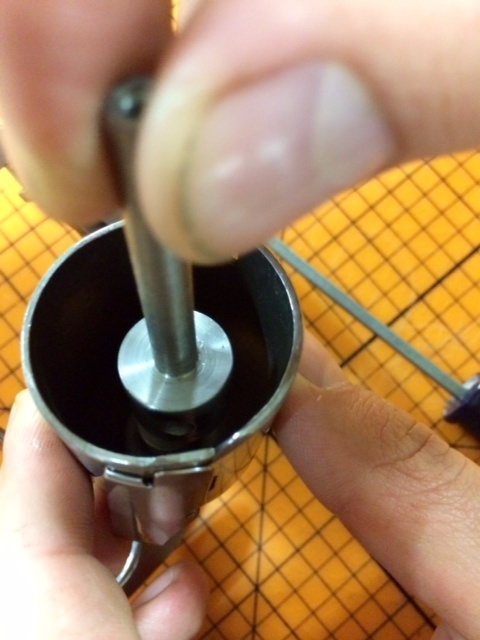
How to Set Up Singer 7 and Consew 7 to use Style 41 (S41) Pre-wound Bobbins

One of the best upgrades for your Class 7 industrial sewing machine is switching from the metal operator wound under bobbins used in the early 1900s to the pre-wound Style 41 bobbins

Read more

Dupont™ Kevlar®and other aramid yarns and threads are used in many industries including:

  • high temperature fluid hose manufacturing as reinforcement
  • electrical wire and cable for binding, ripcords, strength members and shielding (braided)
  • composite materials- aramid fabric is used for strength and reinforcement
  • ballistics, to sew proctective garmets, body armour and bullet proof vests
  • rope manufacturing for added strength
  • synthetic web-slings for sewing and round sling filler yarn
  • mattress manufacturing for sewing tape edge seams

Most of the products made with Kevlar® and other aramid yarns require high strength and/or fire retardant characteristics. The unique nature and production processes to make aramid fibers are some reasons aramids are much more expensive than other commodity fibers like cotton, polyester and nylon. Common characteristics among Kevlar® and other Aramid fibers include:

Read more
Heavy duty industrial sewing machines like the Service Class 7, Singer 7 Series, and Consew 733 can be used in manufacturing operations for years provided some simple preventative maintenance steps are followed on a daily, weekly, and monthly schedule.  Here's what we recommend:

Read more

 Multifilament nylons, polyesters and aramid yarns go through a series of twisting and winding steps during the sewing thread manufacturing process.  The twisting process is generally required to convert any yarn into a thread that can be used for sewing, but bonding, an additional process step, may not be needed depending on the size, use and industrial application. 

Read more

When raw material yarn shipments from China are late and you're meeting production demands with overtime charges,you might consider getting some help from a qualified yarn converter.

Read more

Some of the higher priced industrial yarns and threads available are made from Dupont™ Kevlar® fiber. As the pioneer aramid fiber, DuPont™ Kevlar® is specified for some product applications with a long qualification process, however, some industrial applications can benefit by looking at alternative aramid yarns and threads.

Read more

Para-aramid yarns and sewing threads like Kevlar®, Twaron, Technora, and Heracron are widely used in aerospace, industrial and military applications where high strength, high flame and melt resistance, and low creep and elongation are desired.  

With obvious uses in military applications, the U.S. Department of Defense developed a set of standards in 1978, MIL-T-87128, to describe the physical and operational characteristics for para-aramid, intermediate modulus thread used for machine and hand sewing.

Read more

In spite of the reduction in petrochemical feed stocks like PTA and MEG, delivered costs for polyester used by US manufacturers will likely increase during the coming year.  While the market production capacity for polyester fiber exceeds worldwide demand, there are several factors that are keeping prices from dropping for US firms:

Read more

Singer Class 7 and other Class 7 sewing machines will run reliably for years if setup properly, oiled daily, and serviced regularly.  These lock stitch machines were originally designed in the early 1900’s to use a bottom thread wound onto a flanged metal bobbin.  This under bobbin thread, if not properly wound, will:

Read more

One of the best upgrades for your Class 7 industrial sewing machine is switching from the metal operator wound under bobbins used in the early 1900s to the pre-wound Style 41 bobbins

Read more