
<img height="1" width="1" style="display:none" src="https://www.facebook.com/tr?id=1605528039754551&amp;ev=PageView&amp;noscript=1">

What is Mil Spec Thread: MIL-DTL-32072 (formerly V-T-285-F)

Lead Blog Post Image

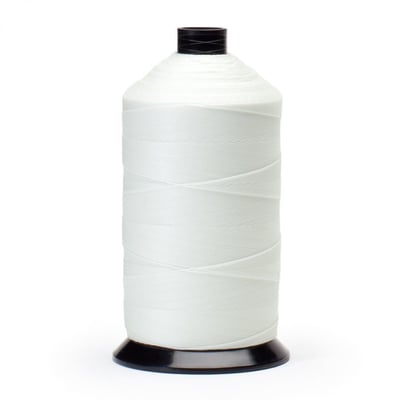
Customers often ask for thread that meets Mil Specs.  These specifications or standards are often used by other government organizations and industries, so it is important to understand the basics of the standard. Here’s a summary of MIL-DTL-32072 the United States Department of Defense product standard for multifilament polyester thread to be used in machine sewing. The standard outlines minimum product physical specifications and is divided into several sections in the 17 page standard.

Read more

Choosing Solution Dyed vs Package Dyed Industrial Yarns

Lead Blog Post Image

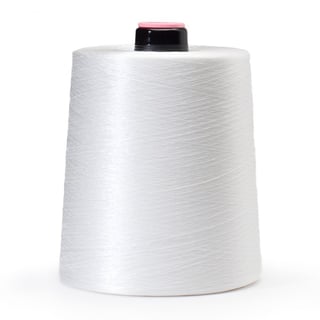
We get questions every week from manufacturers who want to use one or more ends of a colored yarn or thread for product identification (marker threads) and for production marketing and differentiation.   An understanding of the types of dyed yarns available, and the advantages and disadvantages of each is crucial to product performance and design. 

Read more

Polyester Vs Polypropylene for Industrial Thread and Yarn

Lead Blog Post Image

Should you be using a polypropylene or polyester sewing thread?  We compare these two different materials to help you decide.

Read more

Yarn and Thread Creel Design Tips Part II: Choosing the Right Tension Control Device

Lead Blog Post Image

Want to reduce yarn and thread waste and minimize backwinds and reprocessing?  We already discussed why creel design is important, and the importance of a solid frame.  The next design step is evaluating and choosing the right tension control methods.

Read more

Tips for Surviving and Passing An ISO 9001 Audit

Inaction breeds doubt and fear. Action breeds confidence and courage. If you want to conquer fear, do not sit home and think about it. Go out and get busy. - Dale Carnegie

We all have our doubts and fears of being audited.  This past week I had the opportunity experience the ISO9001:2008 re-registration process with our third party auditor and learned that the process is not to be feared but rather embraced.  Since this was my first experience being audited, my fears were from not knowing what to expect.

Read more

Top Processing Cure for Excessive Twist and Torque in Twisted Yarn: Conditioned Heat Setting

Lead Blog Post Image

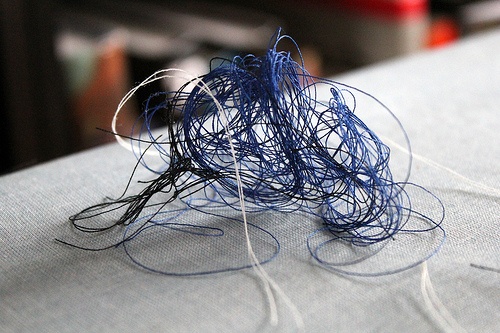
As discussed earlier, there is nothing worse than trying to handle a torque/tension filled lively, kinky yarn or thread.  Each step of a manufacturing process such as twisting, spinning etc. causes tension in fiber, filament, yarn and thread.  Yarns tend to snarl/kink up in order to relax and rid themselves of tension.  Uncontrolled tension and subsequent snarling & kinking are likely to create manufacturing issues for our customers, and we do not want that! 

Read more

How to Choose the Right Needle Size for Industrial Sewing

Lead Blog Post Image

What if you could immediately improve the occurrences of thread breaks and skipped stitches in your sewing operations for between $1 to $3?  Would you be interested?

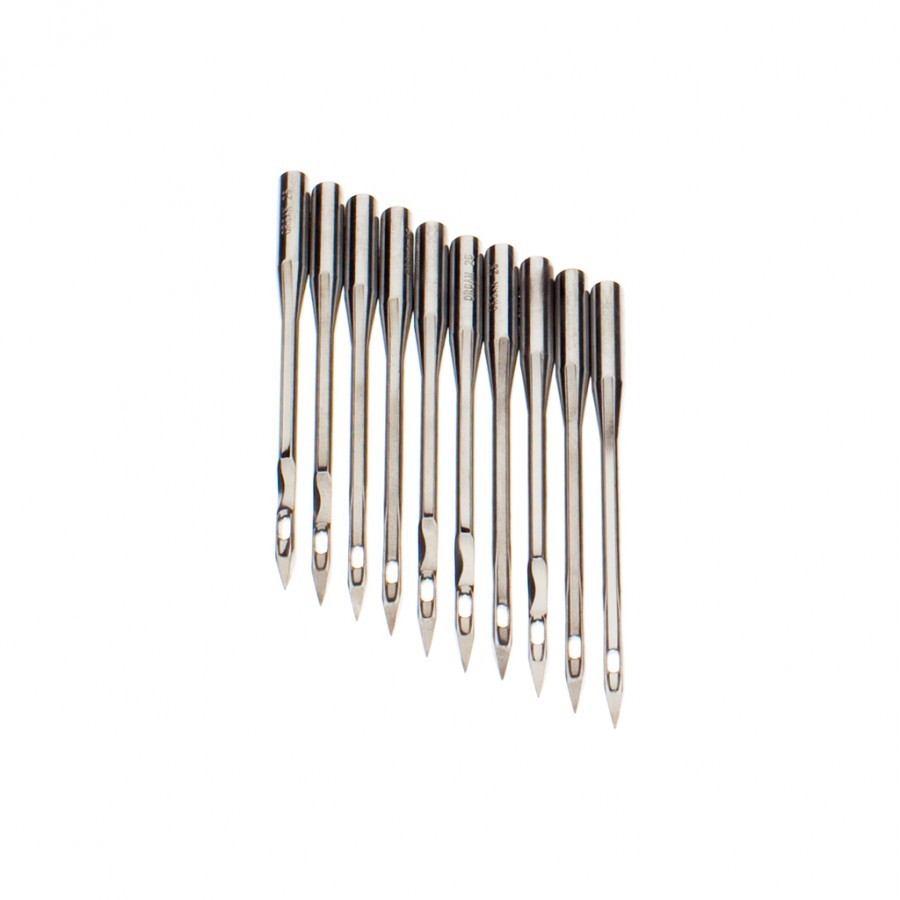
Often overlooked, choosing the correct needle for your sewing application is absolutely critical to flawless performance of your sewing line.  With the new thread and sewn fabric materials available today, it may be time to check the needle size for your operation

Read more

How To: Industrial Yarn Creel Design Package Holders

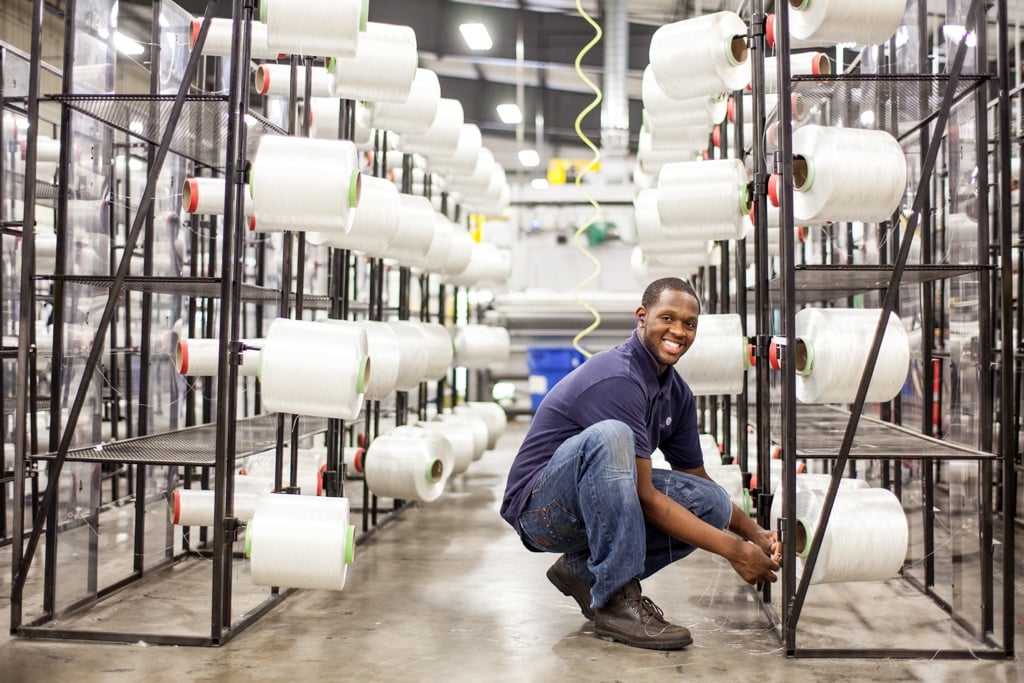
The yarn creel or thread stand is like the foundation of a building. Chances are you either designed your processing equipment and built a yarn rack or creel yourself, or purchased your creel with a machine as a necessary accessory. Most of your focus on process improvement probably starts after the yarn enters the process. You might be surprised at the gains you could make by taking a hard look at your creel design.

Read more

How To Check For and Measure Excessive Twist in Yarn and Thread

Lead Blog Post Image

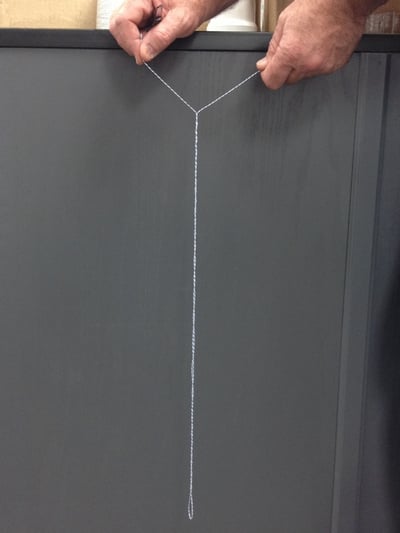
There is nothing worse than trying to handle a yarn or thread that snarls and kinks up on you while trying to process it.  I have always been a believer in quantifying conditions and therefore developed a method for measuring the amount of torque remaining in a yarn or thread, with the resulting units of measure being referred to as Twist Balance (TB).

Read more
Lead Blog Post Image

Customers often ask for thread that meets Mil Specs.  These specifications or standards are often used by other government organizations and industries, so it is important to understand the basics of the standard. Here’s a summary of MIL-DTL-32072 the United States Department of Defense product standard for multifilament polyester thread to be used in machine sewing. The standard outlines minimum product physical specifications and is divided into several sections in the 17 page standard.

Read more
Lead Blog Post Image

We get questions every week from manufacturers who want to use one or more ends of a colored yarn or thread for product identification (marker threads) and for production marketing and differentiation.   An understanding of the types of dyed yarns available, and the advantages and disadvantages of each is crucial to product performance and design. 

Read more
Lead Blog Post Image

Should you be using a polypropylene or polyester sewing thread?  We compare these two different materials to help you decide.

Read more
Lead Blog Post Image

Want to reduce yarn and thread waste and minimize backwinds and reprocessing?  We already discussed why creel design is important, and the importance of a solid frame.  The next design step is evaluating and choosing the right tension control methods.

Read more

Inaction breeds doubt and fear. Action breeds confidence and courage. If you want to conquer fear, do not sit home and think about it. Go out and get busy. - Dale Carnegie

We all have our doubts and fears of being audited.  This past week I had the opportunity experience the ISO9001:2008 re-registration process with our third party auditor and learned that the process is not to be feared but rather embraced.  Since this was my first experience being audited, my fears were from not knowing what to expect.

Read more
Lead Blog Post Image

As discussed earlier, there is nothing worse than trying to handle a torque/tension filled lively, kinky yarn or thread.  Each step of a manufacturing process such as twisting, spinning etc. causes tension in fiber, filament, yarn and thread.  Yarns tend to snarl/kink up in order to relax and rid themselves of tension.  Uncontrolled tension and subsequent snarling & kinking are likely to create manufacturing issues for our customers, and we do not want that! 

Read more
Lead Blog Post Image

What if you could immediately improve the occurrences of thread breaks and skipped stitches in your sewing operations for between $1 to $3?  Would you be interested?

Often overlooked, choosing the correct needle for your sewing application is absolutely critical to flawless performance of your sewing line.  With the new thread and sewn fabric materials available today, it may be time to check the needle size for your operation

Read more

The yarn creel or thread stand is like the foundation of a building. Chances are you either designed your processing equipment and built a yarn rack or creel yourself, or purchased your creel with a machine as a necessary accessory. Most of your focus on process improvement probably starts after the yarn enters the process. You might be surprised at the gains you could make by taking a hard look at your creel design.

Read more
Lead Blog Post Image

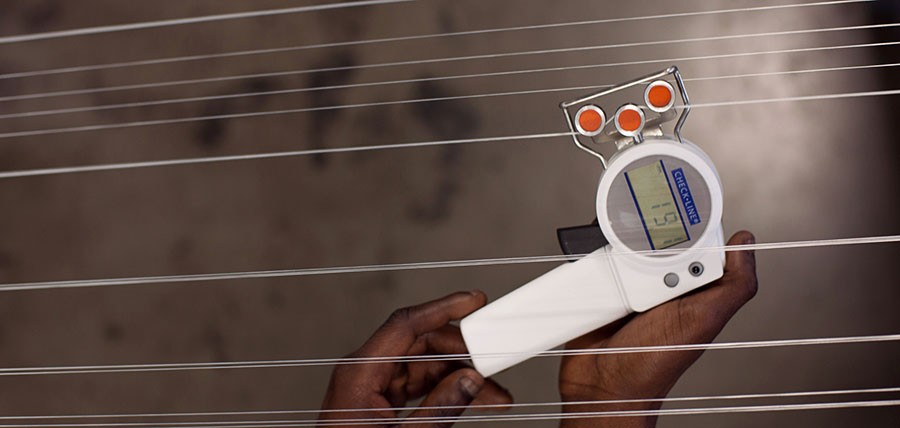
There is nothing worse than trying to handle a yarn or thread that snarls and kinks up on you while trying to process it.  I have always been a believer in quantifying conditions and therefore developed a method for measuring the amount of torque remaining in a yarn or thread, with the resulting units of measure being referred to as Twist Balance (TB).

Read more