
<img height="1" width="1" style="display:none" src="https://www.facebook.com/tr?id=1605528039754551&amp;ev=PageView&amp;noscript=1">

High Speed Spiral Winding-Measure Yarn Cone Density and Increase Line Speeds

Lead Blog Post Image

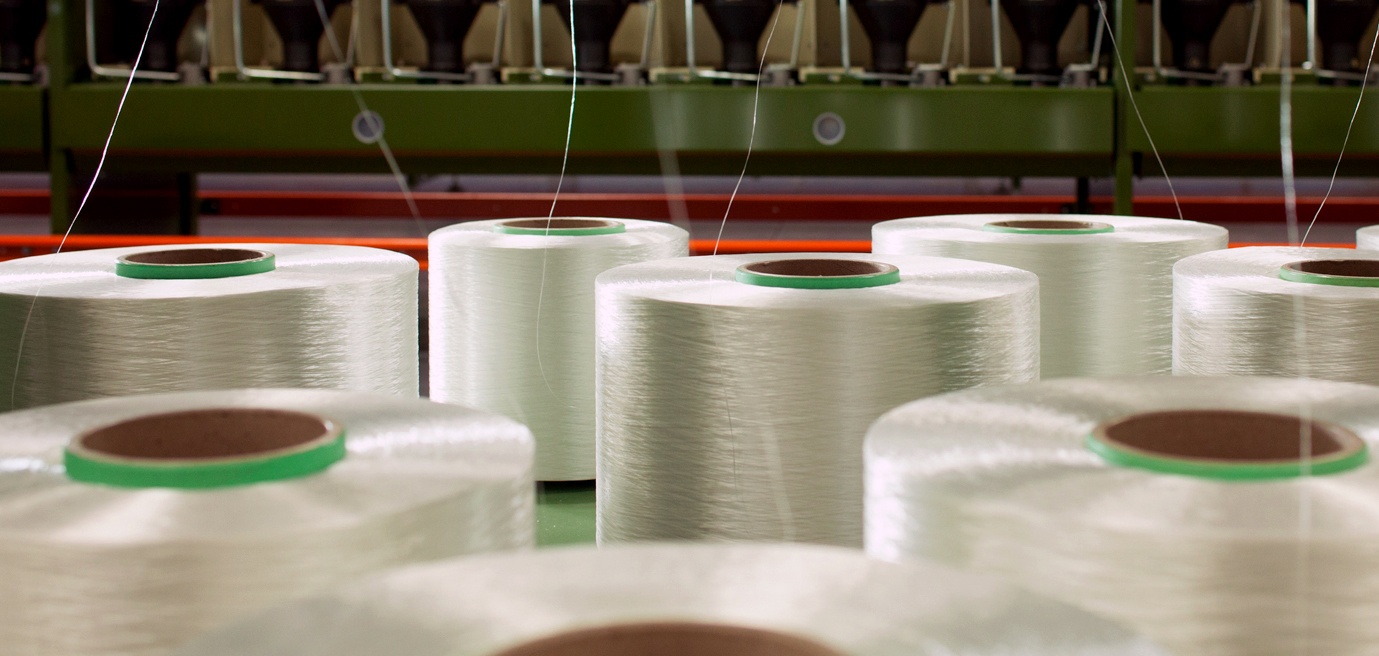
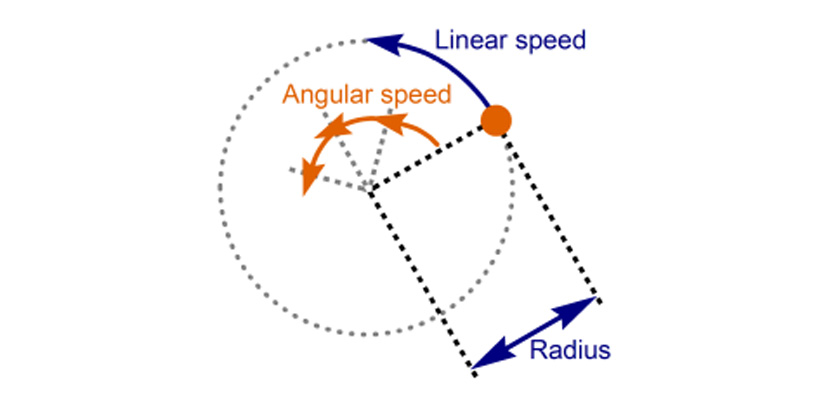
One of our partners, a small-gauge hose manufacturing plant that runs around the clock, wanted to produce more product in less time. But their solution, to run machines 22% faster, caused our yarn cones to break and blow out. I visited the plant, where I used quantitative measures to determine what parameters may be optimum for even higher angular speeds and therefore greater out-puts.

Read more
Tips for Researching Yarn & Fiber Prices Online

Lead Blog Post Image

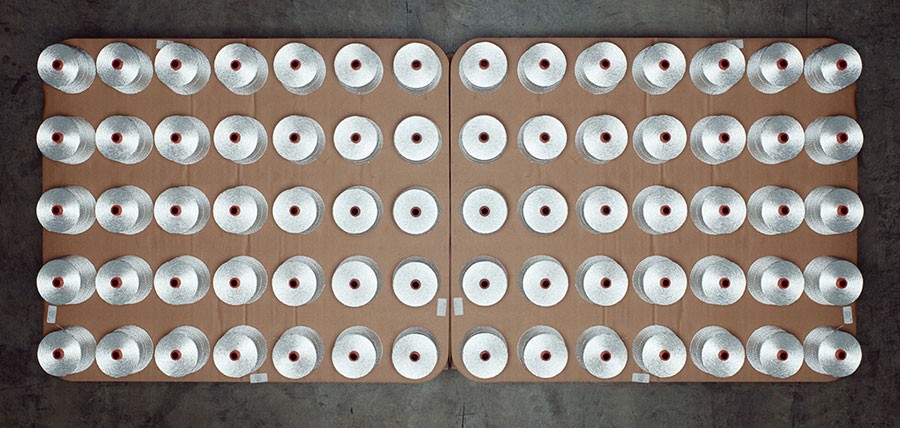
In this follow-up to 3 Great Ways to Keep up with Current Yarn & Fiber Pricing, I’ll discuss how to tell legitimate yarn and fiber pricing information apart from advertisements and junk when searching online. These easy tips have saved me time (I hope they’ll save you some too!):

Read more

Top Tips for Trouble-Free Bag Sewing

Lead Blog Post Image

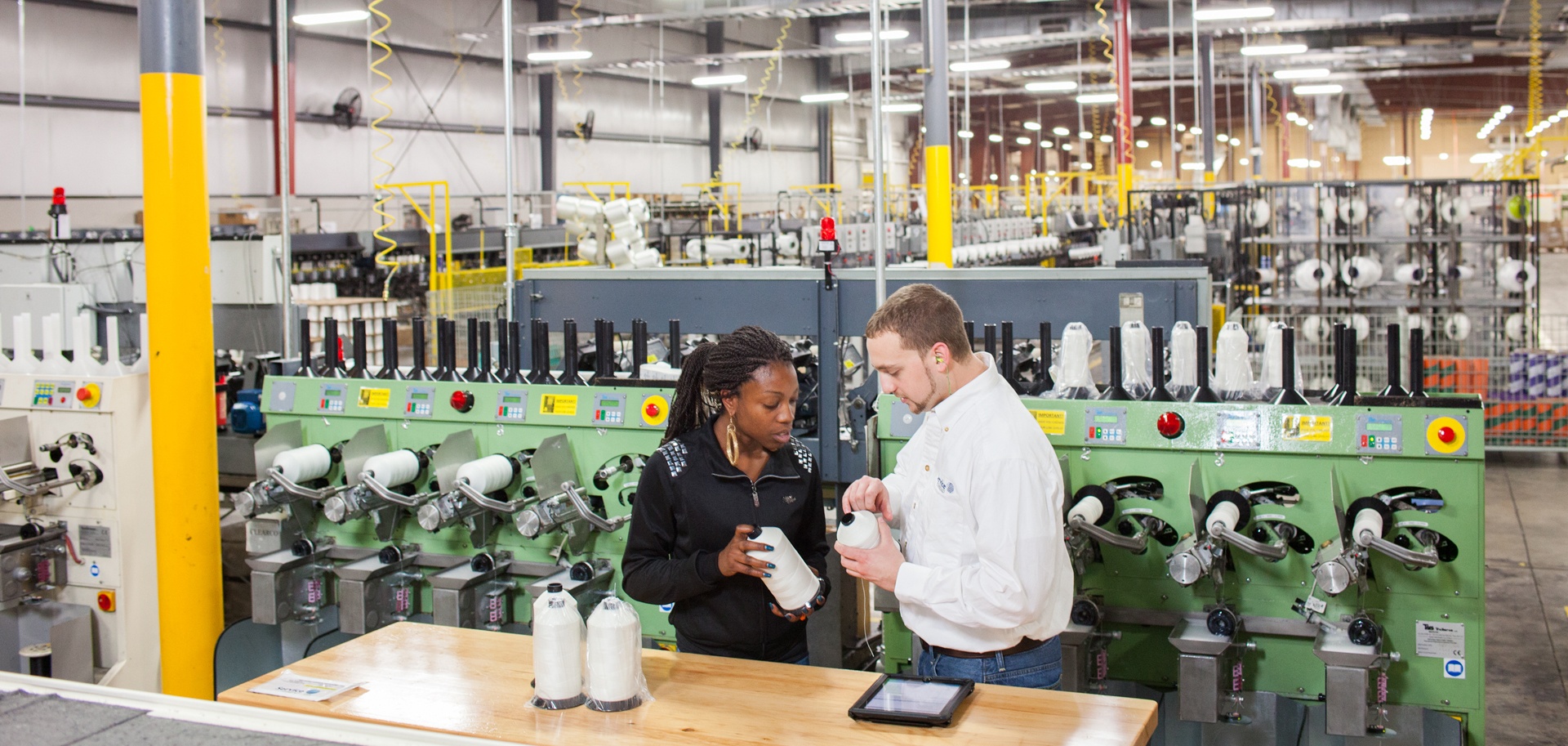
Have you ever experienced dropped stitches or thread breakage when closing bags? Don’t worry—I’ll share a few common red flags you can scan for quickly to ensure maximum production.

Read more

Can You Identify Industrial Yarns & Fiber Threads?

Identifying Industrial Yarns & Fiber Threads

Have you ever needed more of a specific material, but weren’t sure what it was made of? There is a very simple test that anyone can perform to identify which fibers are in a material in mere seconds. All it takes is a sample of yarn…and a little fire.

Read more

Why Is Sewing Thread Lubricated? Four Reasons Explained

Lead Blog Post Image

How many reasons can you think of to apply lubrication to thread?

Read more

3 Great Ways to Keep up with Current Yarn & Fiber Pricing

Lead Blog Post Image

I’ll share three methods we use to manage our yarn and fiber procurement and inventory costs.

As a large scale user of polyester, nylon, polypropylene and other yarns, Service Thread monitors and negotiates pricing through our global supply chain. Coordinating and keeping up to date on changing market conditions can be challenging. The following three methods have helped tremendously

Read more

An Easy and Immediate Upgrade for Industrial Yarn Processing Equipment

Lead Blog Post Image

I’ll discuss different types of guides and recommend our favorite, ceramic!

Choosing the right yarn or thread guide for the product and process is one of the key factors that can influence the quality and efficiency of any production operation using industrial textiles.

Read more

Polyester vs Nylon for Lifting Slings

Lead Blog Post Image

More and more webbing manufacturers are using nylon rather than polyester. We’ll discuss why and how to make the switch if you’re considering it.

Read more

Show Your Sewing Machine Some Love!

Lead Blog Post Image

Through 15 years of technical service experience with sewing machines and the packaging industry, I’ve found that proper preventative maintenance is the key to getting the maximum value out of your sewing head.

Read more
Lead Blog Post Image

One of our partners, a small-gauge hose manufacturing plant that runs around the clock, wanted to produce more product in less time. But their solution, to run machines 22% faster, caused our yarn cones to break and blow out. I visited the plant, where I used quantitative measures to determine what parameters may be optimum for even higher angular speeds and therefore greater out-puts.

Read more

Lead Blog Post Image

In this follow-up to 3 Great Ways to Keep up with Current Yarn & Fiber Pricing, I’ll discuss how to tell legitimate yarn and fiber pricing information apart from advertisements and junk when searching online. These easy tips have saved me time (I hope they’ll save you some too!):

Read more
Lead Blog Post Image

Have you ever experienced dropped stitches or thread breakage when closing bags? Don’t worry—I’ll share a few common red flags you can scan for quickly to ensure maximum production.

Read more
Identifying Industrial Yarns & Fiber Threads

Have you ever needed more of a specific material, but weren’t sure what it was made of? There is a very simple test that anyone can perform to identify which fibers are in a material in mere seconds. All it takes is a sample of yarn…and a little fire.

Read more
Lead Blog Post Image

How many reasons can you think of to apply lubrication to thread?

Read more
Lead Blog Post Image

I’ll share three methods we use to manage our yarn and fiber procurement and inventory costs.

As a large scale user of polyester, nylon, polypropylene and other yarns, Service Thread monitors and negotiates pricing through our global supply chain. Coordinating and keeping up to date on changing market conditions can be challenging. The following three methods have helped tremendously

Read more
Lead Blog Post Image

I’ll discuss different types of guides and recommend our favorite, ceramic!

Choosing the right yarn or thread guide for the product and process is one of the key factors that can influence the quality and efficiency of any production operation using industrial textiles.

Read more
Lead Blog Post Image

More and more webbing manufacturers are using nylon rather than polyester. We’ll discuss why and how to make the switch if you’re considering it.

Read more
Lead Blog Post Image

Through 15 years of technical service experience with sewing machines and the packaging industry, I’ve found that proper preventative maintenance is the key to getting the maximum value out of your sewing head.

Read more