
<img height="1" width="1" style="display:none" src="https://www.facebook.com/tr?id=1605528039754551&amp;ev=PageView&amp;noscript=1">

Polyester Yarn Price Update Part Three: Index Formulas

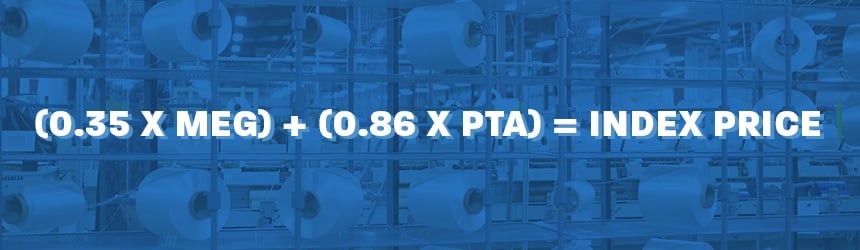
In part one of this series, I talked about how to understand polyester pricing swings and why rising costs and a dynamic market has thrust the industry into a volatile time. In part two, I touched on understanding market, spot and indexed pricing. In this post, I’ll focus on index formulas, particularly once a supplier and client decide to index a price, what does it look like? In general, designing a simple index formula is the best strategy. The difficult part is agreeing to the finer details up front. Both parties must carefully consider the following aspects.

Read more
Replacing DuraFiber Polyester Yarn

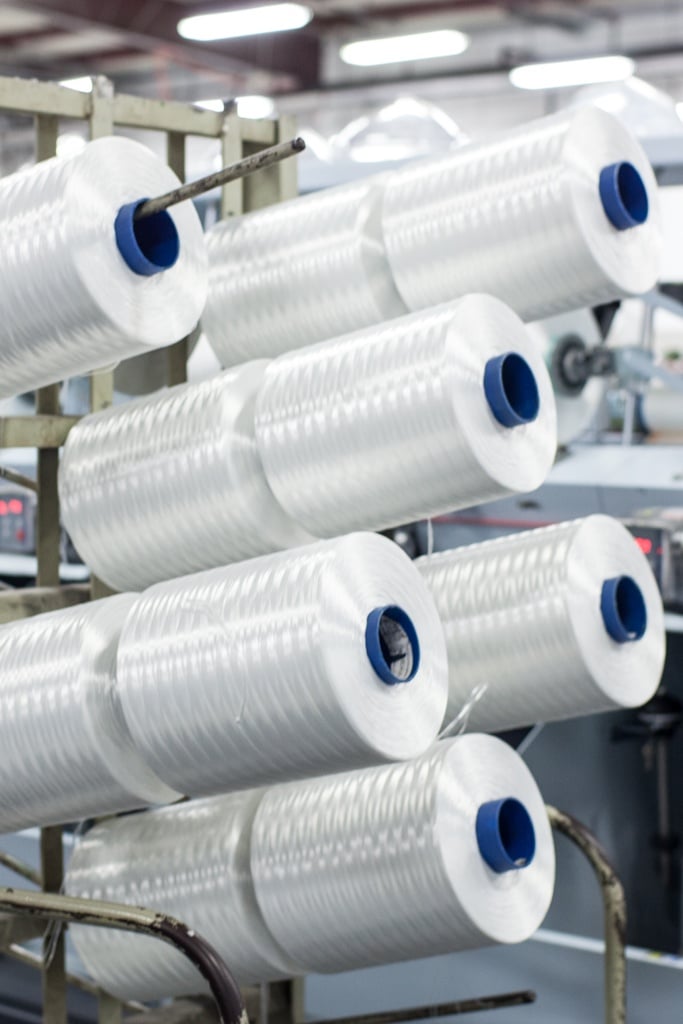
DuraFiber Technologies, (formerly Performance Fibers), submitted a WARN notice on July 13, 2017 announcing steps to prepare for the possible closure of their U.S. plants in Salisbury, Shelby, and Winnsboro. 

Read more

Polyester Yarn Price Update Part Two: Understanding Market, Spot and Indexed Pricing

In part one of Service Thread’s blog series on polyester yarn pricing, I discussed the reason for the unpredictable cost swings with polyester yarn pricing. In addition to understanding the global dynamics that effect these swings, it is also important to understand the pricing strategies used.

Read more

Polyester Yarn Price Update Part One: Understanding Cost Swings

I’ve been in the industrial yarn business for 21 years and haven’t seen anything quite like the current polyester pricing situation. If you buy or sell synthetic yarns, I’m sure that you feel the same way. The fast pace of the modern business environment has impacted every market’s volatility, even the very mature ones (read “old textile businesses”).

Read more

What is ASTM D4974? Hot Air Shrinkage Test for Yarn & Cord Explained

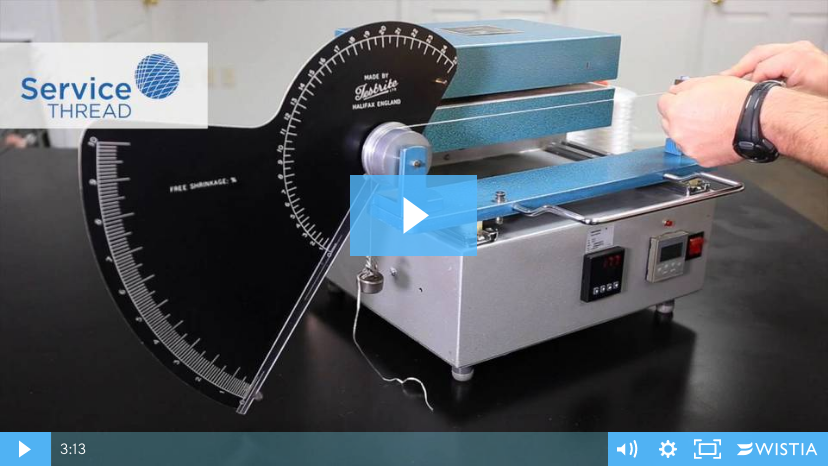
Synthetic yarns like nylon and polyester are typically known for their high shrinkage rate. In order to permanently set the physical properties of these materials after extrusion, they are stretched or drawn at elevated temperatures under tension during the manufacturing process, also known as heat setting. When stretched under these elevated temperatures, changes in physical properties happen and the crystallinity of these synthetic yarns is modified. The general physical properties of the thread or yarn can be adjusted by selecting the specific conditions under which the yarn is drawn, bringing the desired property changes to the material. Heat setting also stabilizes the yarn for future exposure to heat.

Read more

3 Ways Service Thread Is Transforming Industrial Thread For Manufacturers

In this video, COO, Jay Todd, Sales Manager, Steve Zande, and Technical and R&D Manager, Eric Shippee, discuss ways Service Thread advances industrial thread for manufacturers in various industries including wire and cable, web sling and tie down, industrial bags, hose reinforcement and more. Through modern technology, innovative materials and applications, identifying efficiencies for customers and more, Service Thread is in the process of implementing a transformative plan that will pave the way for the future of industrial thread manufacturing. 

Read more

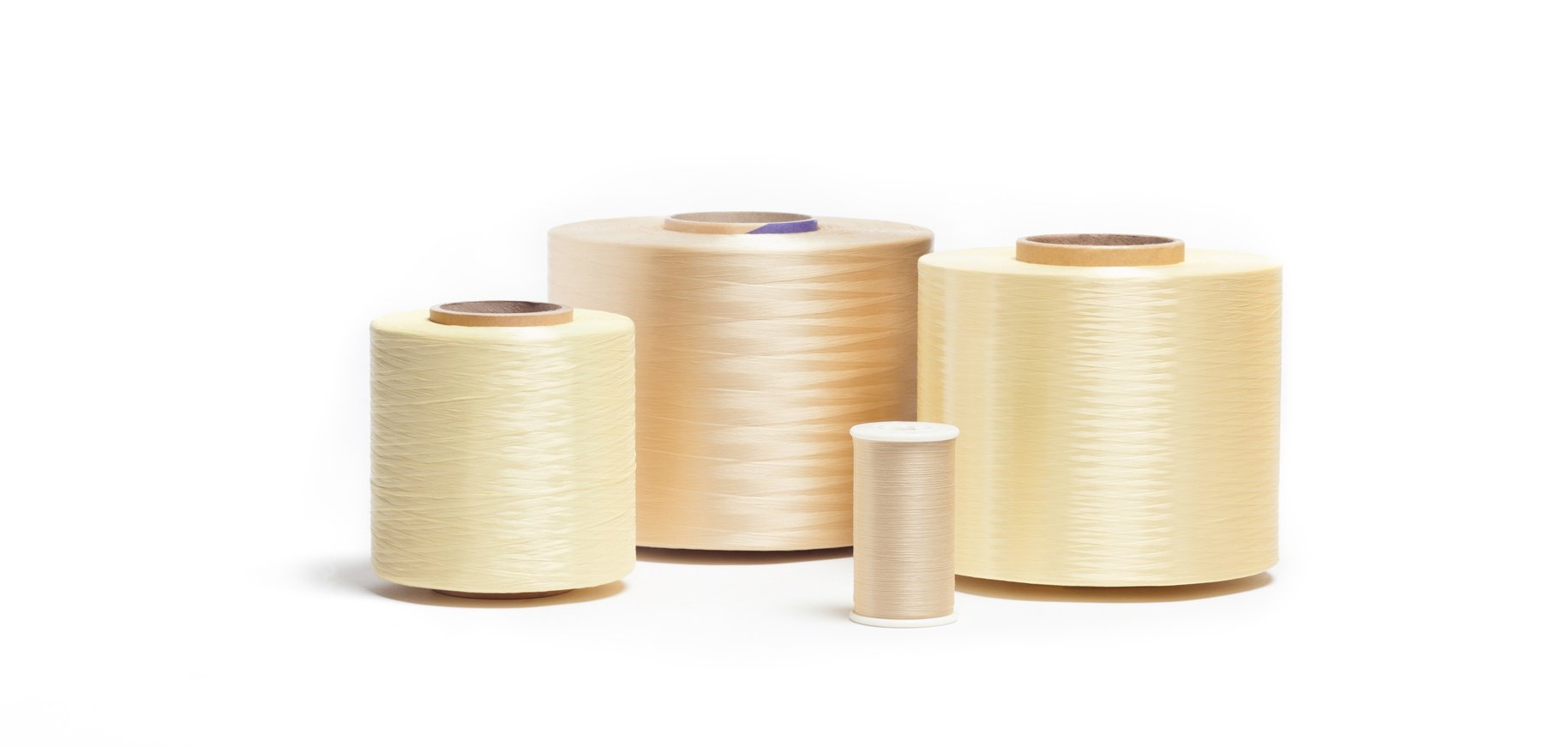
Importance of High Modulus Yarn for Wire and Cable Explained

Modulus (fiber elasticity) is a key characteristic of industrial yarn and thread for wire and cable - specifically aramid yarns. Modulus refers to the ratio of stress (force per unit area) along an axis to strain (ratio of deformation over initial length) along that axis. Think about when you stretch a rubber band out to the point right before it deforms or breaks – that is the modulus. When something stretches to the point of deformation, the strength is almost always compromised.

Read more

5 Reasons to Use Industrial Yarn as Reinforcement in Beverage Hoses

Over the past 20 years, more than 100 major sports facilities have opened in the United States to join the thousands already in operation. Throughout these sports complexes, concession stands see a great amount of traffic as fans enjoy stadium food and beverages during events. In particular, beverage hoses are a critical element in the sanitary dispensing of soda, beer and more.

Read more

In part one of this series, I talked about how to understand polyester pricing swings and why rising costs and a dynamic market has thrust the industry into a volatile time. In part two, I touched on understanding market, spot and indexed pricing. In this post, I’ll focus on index formulas, particularly once a supplier and client decide to index a price, what does it look like? In general, designing a simple index formula is the best strategy. The difficult part is agreeing to the finer details up front. Both parties must carefully consider the following aspects.

Read more
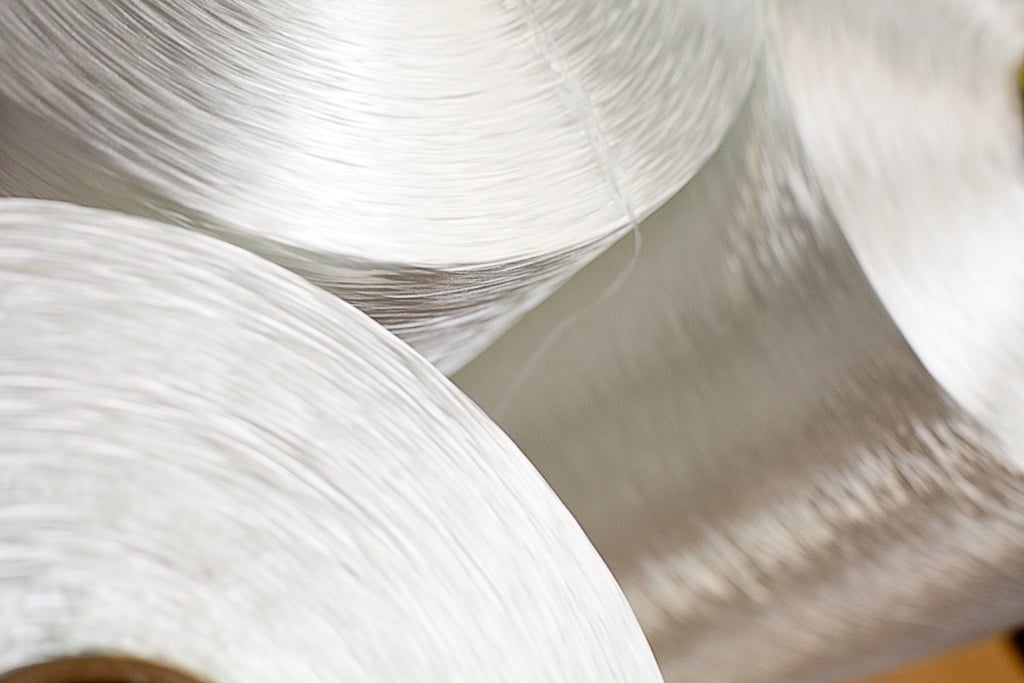
DuraFiber Technologies, (formerly Performance Fibers), submitted a WARN notice on July 13, 2017 announcing steps to prepare for the possible closure of their U.S. plants in Salisbury, Shelby, and Winnsboro. 

Read more

In part one of Service Thread’s blog series on polyester yarn pricing, I discussed the reason for the unpredictable cost swings with polyester yarn pricing. In addition to understanding the global dynamics that effect these swings, it is also important to understand the pricing strategies used.

Read more

I’ve been in the industrial yarn business for 21 years and haven’t seen anything quite like the current polyester pricing situation. If you buy or sell synthetic yarns, I’m sure that you feel the same way. The fast pace of the modern business environment has impacted every market’s volatility, even the very mature ones (read “old textile businesses”).

Read more

Synthetic yarns like nylon and polyester are typically known for their high shrinkage rate. In order to permanently set the physical properties of these materials after extrusion, they are stretched or drawn at elevated temperatures under tension during the manufacturing process, also known as heat setting. When stretched under these elevated temperatures, changes in physical properties happen and the crystallinity of these synthetic yarns is modified. The general physical properties of the thread or yarn can be adjusted by selecting the specific conditions under which the yarn is drawn, bringing the desired property changes to the material. Heat setting also stabilizes the yarn for future exposure to heat.

Read more

In this video, COO, Jay Todd, Sales Manager, Steve Zande, and Technical and R&D Manager, Eric Shippee, discuss ways Service Thread advances industrial thread for manufacturers in various industries including wire and cable, web sling and tie down, industrial bags, hose reinforcement and more. Through modern technology, innovative materials and applications, identifying efficiencies for customers and more, Service Thread is in the process of implementing a transformative plan that will pave the way for the future of industrial thread manufacturing. 

Read more

Modulus (fiber elasticity) is a key characteristic of industrial yarn and thread for wire and cable - specifically aramid yarns. Modulus refers to the ratio of stress (force per unit area) along an axis to strain (ratio of deformation over initial length) along that axis. Think about when you stretch a rubber band out to the point right before it deforms or breaks – that is the modulus. When something stretches to the point of deformation, the strength is almost always compromised.

Read more

Over the past 20 years, more than 100 major sports facilities have opened in the United States to join the thousands already in operation. Throughout these sports complexes, concession stands see a great amount of traffic as fans enjoy stadium food and beverages during events. In particular, beverage hoses are a critical element in the sanitary dispensing of soda, beer and more.

Read more